




















The problem with directories
Type "therapist near me" and you get a wall of names, credentials and stock smiles, with little help comparing them. The therapeutic relationship matters to whether Care continues and helps, while a directory leaves the first choice largely to chance.
Iris narrows the field until choosing feels possible, then leaves the decision with you.
Hard gates come first
The matching design applies hard eligibility constraints first, then explains the fit signals in the shortlist. Public access describes only constraints connected to verified Practitioner and Cover data.
Then fit, weighed honestly
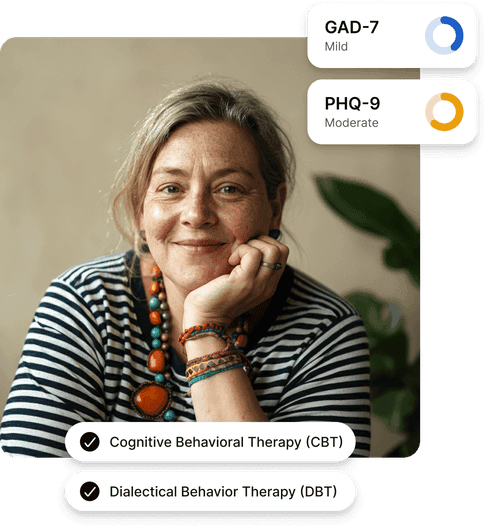
What survives the gates gets ranked on fit: your Language and the cultural context you want understood without translating, what you are coming in with and each Practitioner's training for it, and the practical texture of how you want Care to feel. Iris weighs these signals and shows you a shortlist, with the reasons attached, so you can see why every name is in front of you.
Where Iris stops
- She narrows. You choose. Iris presents Practitioners who fit and the reason each one appears. The decision is yours, and you can choose again.
- She never diagnoses. Matching signals inform fit, not labels. Only a qualified Practitioner can diagnose, in a Real conversation.
- She keeps your story where it belongs. What you tell Iris exists to serve you. Your Employer funding the Benefit sees aggregate utilization, never identity, never content. That separation is enforced in the system.
Built to learn without surveilling
Iris never uses Session content to evaluate matching quality. Permitted signals are identity-separated and aggregate, such as whether a Person continued with the Practitioner or chose another. The private conversation inside Care is not matching data.
Iris does the ranking and the explaining. Licensed Practitioners make every clinical decision.