

















Three problems that are one problem
Spend a week talking to People about why they stopped looking for Therapy, and to Practitioners about why they cannot take more Clients, and you hear three complaints that sound unrelated.
- The Person has nowhere private. Video was supposed to solve access, and for many People it did. But a Session assumes a door you can close. In a shared home, a hostel room, a compound where sound travels, there is no hour of the day when nobody can hear you.
- The Practitioner cannot carry a lease. An independent Clinician who wants to see Clients in person has to rent a consulting room by the month to use it for a handful of hours a week. The maths only works once your Practice is already full, which is exactly when you needed the room least.
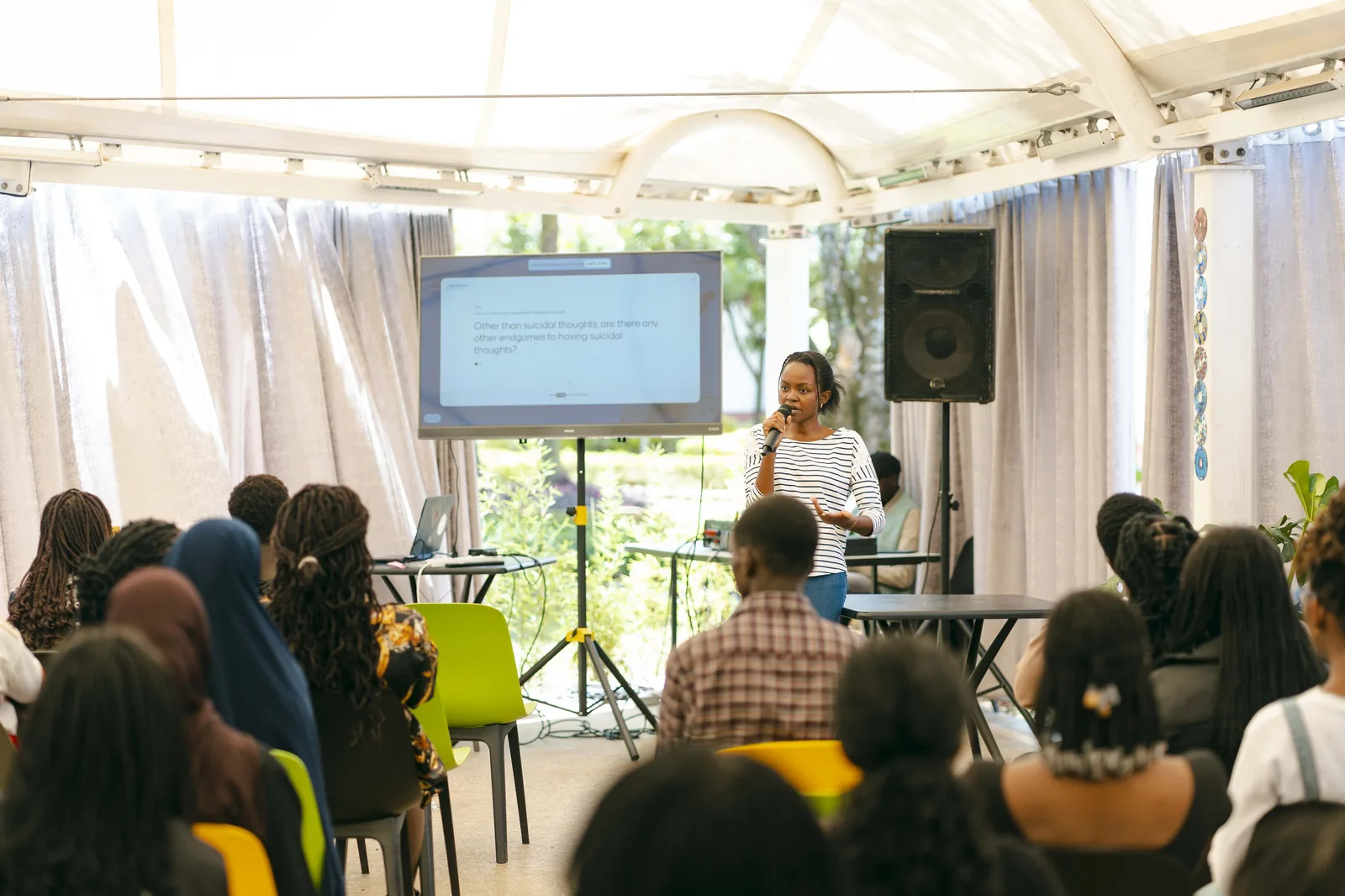
- The building has a room doing nothing. A Clinic's second consulting room is used two mornings a week. A university counselling suite empties at five. A coworking floor has a phone room nobody books. A church hall is quiet six days out of seven.
Read them together and they stop being three shortages. They are one distribution failure. The rooms exist. They are in the wrong hands at the wrong hours.
The Heyrafiki Space model
The Heyrafiki Space model connects an approved host room to a Practitioner booking during agreed hours. A Nairobi pilot tests the privacy, access, demand and operating standard before wider use.
What shared space must prove
The central question is demand: how many People choose In Person when a private, affordable room is genuinely available, and how many of them would not have booked a Video Session. That second group matters because it shows whether shared rooms extend access rather than simply move existing Sessions.
Nairobi gives the model a clear test: additional In Person Sessions, travel distance, privacy, accessibility and attendance against a declared baseline. The result should be published whether shared rooms expand access or show that Video already serves the need.
If you have a room
Clinics, Campuses, coworking spaces, community halls, faith buildings and Practices with a spare consulting room: what it takes is a quiet, private, accessible room and a few hours a week you are willing to open. Everything else we work out together.
If you host a private, accessible room that sits empty part of the week, tell us what would make it dependable for Care.