


















Task-shifting worked
For most of the last century, the answer to too few Psychiatrists was to train more Psychiatrists. In a region with roughly one for every half a million People, that answer was arithmetic that never closed. Task-shifting proposed something else: train non-specialists to deliver structured, evidence-based support, and reserve scarce clinical time for the People who need it most.
Task-shifting is backed by substantial evidence. Zimbabwe's Friendship Bench, where trained grandmothers deliver problem-solving therapy on wooden benches outside clinics, produced better symptom outcomes than enhanced usual care in a randomised trial published in JAMA in 2016. The World Health Organization built its mhGAP guidance on the same principle. In Kenya, Programs delivering brief structured interventions to adolescents through trained young Facilitators have run randomised trials, preregistered protocols and published results, including the ones that did not favour them.
The People running this work are among the most rigorous in global health. This piece addresses the problem the model cannot solve from inside itself.
The escalation problem
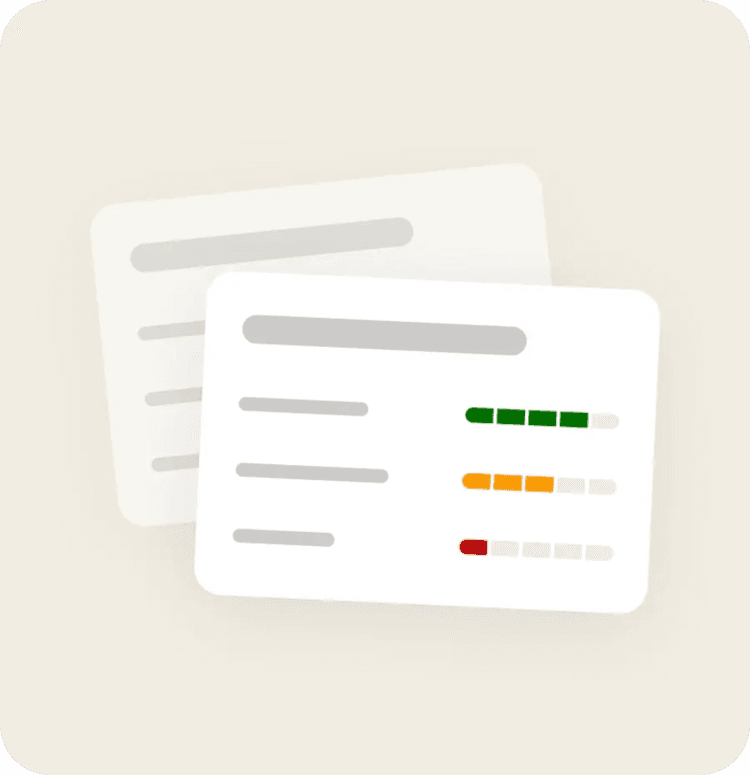
Every well-run Program screens. Screening is the point: find the People who need support, and find early the smaller group who need more than the Program is designed to give. A validated Instrument does its job, a Facilitator sees a score that crosses a threshold, and a young Person is sitting in front of them who needs licensed clinical Care.
Then what?
In practice, then a phone call. Then a name someone remembers from a workshop, or a public clinic with a long queue, or a private Practitioner whose fee is more than the family can carry. The referral becomes a number in a report, while the Person's path into Care disappears from view. The Program did everything right and still could not finish the sentence.
The clinical model did its job. The missing path begins after it, and it has four parts:
- Nobody to refer to. There is no verified, searchable Network of licensed Practitioners with confirmed standing, current availability, the right language and a known rate.
- No way to pay. The Program's budget funds the Program. The Session on the other side of the referral is funded by nobody, so it happens or it does not depending on the family.
- Nothing follows the Person. Screening scores, consent and context stay inside the Program's own tools. The Practitioner starts from zero, and so does the young Person, retelling the hardest part to a stranger.
- No loop back. The Program cannot report whether escalated People got Care, because after the handoff it has no visibility at all. The most important number in the Funder's report is the one nobody can produce.
A complete handoff needs four things
- Practitioner credentials checked against official records. The referral keeps the official record and check date beside the Practitioner record.
- Approved funding. The handoff identifies the Benefit, program or payment path responsible for the approved Care.
- Consent-governed context. Only the context the Person permits follows the referral into Care.
- Permitted aggregate closure evidence. The program receives only the aggregate evidence allowed by its protocol and reporting boundary.
The bar this has to clear
The standard is high: declared protocols, published null results, validated Instruments used within their evidence and licensing boundaries, and methods another team can inspect. Heyrafiki applies the same standard to referral completion, time to Care, Practitioner workload and permitted aggregate outcomes.
The boundaries are explicit: what Iris may use when she narrows a shortlist, what she never decides, which public artifacts support independent review and which security controls stay private. Outcomes are reported only against a declared method and relevant baseline.
An open invitation
A lay-provider, school or community Program can connect its Screening pathway to licensed Care, attach approved funding to the referral, share context with Consent and receive permitted aggregate reporting. The Program keeps its model, Facilitators and evidence base while Heyrafiki completes the operational path.
If your Program needs a dependable path into licensed Care, bring us the handoff you need to close.